 Kernodle Clinic - A DukeMedicine PRACTICE
-
Burlington
Main: 336-538-1234
Pulmonology: 336-538-2408 -
Mebane Medical Park
Primary: 919-563-2500
Specialist: 336-506-1214 -
Elon
Family Medicine: 336-538-2314
Pediatrics: 336-538-2416 -
Mebane Oaks Village
Cardiology: 336-538-2381
Gastroenterology: 336-538-2355
Cover Your Cough: Staying Healthy During Respiratory Season
 As the seasons change and cooler weather arrives, communities often see an increase in respiratory illnesses. Influenza (flu), respiratory syncytial virus (RSV), the common cold, and other respiratory infections can spread more easily when people spend more time indoors and in close contact with one another.
While many respiratory illnesses are mild, some can lead to serious complications—particularly among older adults, young children, pregnant individuals, and people with certain chronic health conditions. Taking simple precautions can help reduce the spread of illness and protect those around you.
Cover Your Cough
One of the simplest ways to help prevent the spread of respiratory infections is to cover your cough.
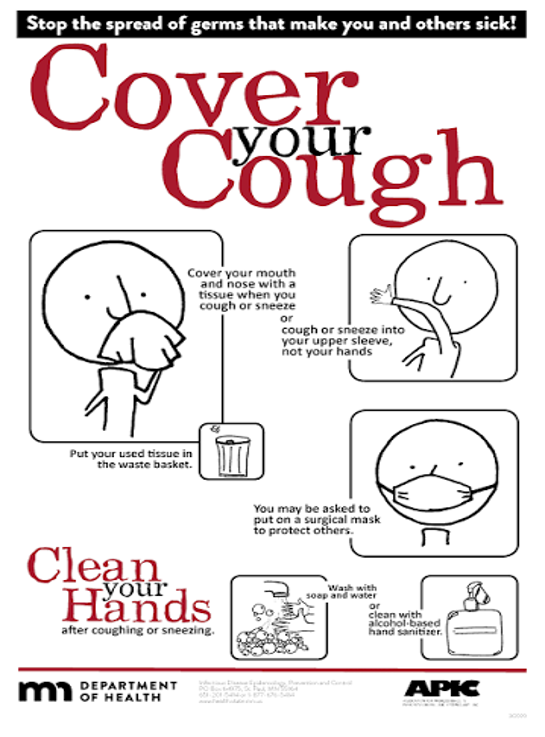
When coughing or sneezing, use a tissue to cover your nose and mouth, then throw the tissue away. If a tissue is not available, cough or sneeze into the inside of your elbow rather than your hands. Covering your cough helps limit the number of respiratory droplets released into the surrounding air and onto nearby surfaces.
It is also important to wash your hands regularly, especially after coughing, sneezing, blowing your nose, or caring for someone who is sick. If soap and water are not readily available, an alcohol-based hand sanitizer can be useful.
Know the Symptoms
Respiratory illnesses can have overlapping symptoms, making it difficult to determine which virus is responsible based on symptoms alone.
Common symptoms may include:
- Cough
- Sore throat
- Runny or stuffy nose
- Fever or chills
- Fatigue
- Headache
- Muscle or body aches
- Shortness of breath
Flu symptoms can develop suddenly and may include fever, body aches, fatigue, and a significant cough. RSV can cause cold-like symptoms but may become more serious in infants and older adults. The common cold is typically milder, although symptoms can still be uncomfortable and disruptive.
If symptoms are severe, persistent, or concerning, contact your healthcare provider for guidance.
Protect Yourself and Others
Good respiratory hygiene is an important part of staying healthy throughout respiratory season. In addition to covering your cough, consider these everyday precautions:
Stay home when you’re sick. Avoid close contact with others when you are experiencing symptoms, particularly with people who may be at higher risk for complications.
Wash your hands frequently. Handwashing with soap and water remains one of the most effective ways to reduce the spread of many infections.
Improve indoor air. When practical, increasing ventilation and getting fresh air into indoor spaces can help reduce the concentration of respiratory viruses.
Keep recommended vaccinations up to date. Vaccines are available for some respiratory illnesses, including influenza and COVID-19, and RSV vaccination is recommended for certain groups. Talk with your healthcare provider about which vaccinations are appropriate for you and your family.
Avoid touching your face. Viruses can spread when contaminated hands come into contact with the eyes, nose, or mouth.
Take Symptoms Seriously
Most respiratory infections resolve with time and supportive care, but some illnesses can become serious. Seek medical attention if you or a loved one develops difficulty breathing, chest pain or pressure, confusion, severe weakness, dehydration, or symptoms that improve and then suddenly worsen.
Parents and caregivers should pay particular attention to infants and young children, older adults, and individuals with underlying medical conditions, who may be at increased risk for complications from respiratory infections.
A Simple Reminder for Respiratory Season
Preventing the spread of respiratory illness does not always require complicated measures. Small habits can make a meaningful difference: cover your cough, wash your hands, stay home when you’re sick, and take appropriate steps to protect yourself and those around you.
Respiratory season is a reminder that our individual choices can help protect the health of our families, coworkers, friends, and communities. By practicing good respiratory hygiene and staying attentive to symptoms, we can all play a role in keeping one another healthier throughout the season.
